
Juno Sweet Sparkling Rosé
Description
Vintage: February 2024
Variety: a blend of selected cultivars
Origin: Western Cape
Alcohol: 8.29% | RS: 38.70 g/L | TA: 6.23 g/L | pH: 3.40
Vineyards
Grapes are sourced from vineyards in the Western Cape on clay loam soils. The vines are managed for lower yields (below 6 tons/ha) to enhance flavour and aromatics.
Cellar
Grapes were hand-harvested early morning to retain flavour and fruitiness. A short three-hour skin contact was followed by fermentation under controlled conditions at 13°C to keep the style bright and aromatic.
Aroma & palate
An abundance of strawberry, watermelon and candy floss on the nose. A tropical, fruit-driven palate with soft but refreshing acidity, good length and vibrant effervescence.
Food pairing
Seared tuna, spicy tuna ceviche, and soft cheeses.
Related products
-
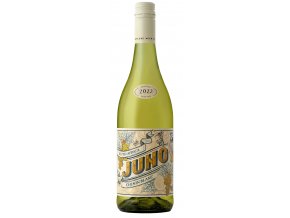 Code: 342
-
 Code: 467
-
 Code: 6
-
 Code: 471
| Weight | 0.259 kg |
Be the first who will post an article to this item!
The Cape Wine Company was founded in 2010 by qualified winemaker Erlanko Erasmus with the aim of sharing the exceptional South African wines of the Cape Winelands with wine lovers around the world. On this exciting journey together we explore an unknown land, discovering new possibilities in connecting with Mother Nature, growing what nature has to offer and sharing our discoveries with the rest of the world.
Cape Wine Company is proud to contribute to the communities involved in the production of their wines, from vineyard to bottle, through participation in the Fairtrade initiative. This initiative helps ensure that farming communities in the South African wine industry benefit from sustainability and equity.
Every wine has a story, and our Nieuwe Haarlem range is one such story that is surrounded by historical significance and adventure.
On 25 March 1647, the Dutch ship Nieuwe Haerlem was wrecked in a storm in Table Bay, Cape Verde. This shipwreck was to change the course of history and lead to the creation of a new state in the southern part of the African continent. How? Thanks to the courageous decision of Captain Leendert Janszen, the crew stayed with him and took care of the wrecked cargo. During this time, the sailors grew vegetables, planted the first Cape vines and bartered fresh meat with the locals - slowly laying the first stone towards what would become the creation of the Cape as a midway spice refreshment station.Today, the Cape is still rich in vines, some of which were first planted by Janszen and his crew. Eventually Nieuwe Haarlem planted a legacy that is as significant as it is celebrated.