News

Wine as a gift
South African wine tasting sets and vouchers as gifts | ZEBRA WINES
TL;DR: If you don't know what the recipient likes, choose a gift voucher from ZEBRA WINES, starting at CZK 500 and available as a PDF by email. For a beginner, try the Typical South African Varieties tasting set (three Chenin Blancs and three Pinotages, CZK 2,494; limited availability). For white wine lovers, choose the White tasting set (CZK 1,703). For a wine enthusiast, try the Cuvée Selection with Meerlust Rubicon (CZK 3,140). Tasting sets include free delivery.

Choosing wine for someone else can be harder than it looks. Perhaps you don't know whether they prefer white or red, or whether they've tried South African wine before. This guide makes the choice easier. You'll find a comparison of ZEBRA WINES tasting sets and gift vouchers, followed by ideas for different people and occasions.

A bottle, a set or a voucher? A quick decision

If you know what the recipient likes, choose a bottle. If they enjoy discovering new wines, choose a tasting set. If you're unsure or short of time, a gift voucher lets them pick for themselves.

Situation Recommendation Explore
I know their taste and want one special wine A bottle Bottle recommendations
They enjoy trying new wines A tasting set All tasting sets
I'm unsure what they drink or need a last-minute gift A gift voucher Gift vouchers
Gifts for clients or employees Multiple sets or vouchers Corporate gifts and hospitality

Compare ZEBRA WINES tasting sets and vouchers

Prices include VAT and are shown as of 30 October 2026. The table lists the wines, suggested recipients and availability.

Set Price What's inside Best for Availability
White tasting set CZK 1,703 Nieuwe Haarlem Chenin Blanc, Spier Seaward Sauvignon Blanc, Ayama Grenache Blanc, Ayama Chenin Blanc Old Vine, Juno Sauvignon Blanc, Juno Chenin Blanc White wine lovers In stock
Typical South African Varieties CZK 2,494 Nieuwe Haarlem, Seaward and 21 Gables Chenin Blanc; Barista, Juno and 21 Gables Pinotage Beginners 3 in stock
Spier CZK 2,774 Creative Block 2, Seaward Chardonnay, Seaward Shiraz, 21 Gables Cabernet Sauvignon, Spier Signature Method Cap Rosé, Creative Block 5 Fans of one winery and sparkling wine In stock
Franschhoek CZK 2,842 La Bri Chardonnay, La Bri Merlot, La Bri Affinity, Lynx Revolution, Lynx SMG, The Chocolate Block Wine region explorers In stock
Cuvée Selection CZK 3,140 Spier Creative Block 2, Creative Block 3, Meerlust Rubicon, Springfield Work of Time, Lynx Passion, The Chocolate Block Wine enthusiasts In stock
Stellenbosch CZK 3,182 Meerlust Cabernet Sauvignon, Creative Block 2, Creative Block 3, Meerlust Rubicon, Meerlust Chardonnay, Spier MCC Brut Rosé Region explorers and wine enthusiasts In stock
Gift voucher CZK 500, 1,000, 1,500, 2,000, 2,500 or 5,000; custom amounts available The recipient chooses their own wine Uncertain tastes, last-minute gifts and businesses In stock

All sets are 15% less expensive than buying the same wines individually and include free delivery. The Robertson set from Springfield Estate is currently unavailable.

For beginners: Typical South African Varieties

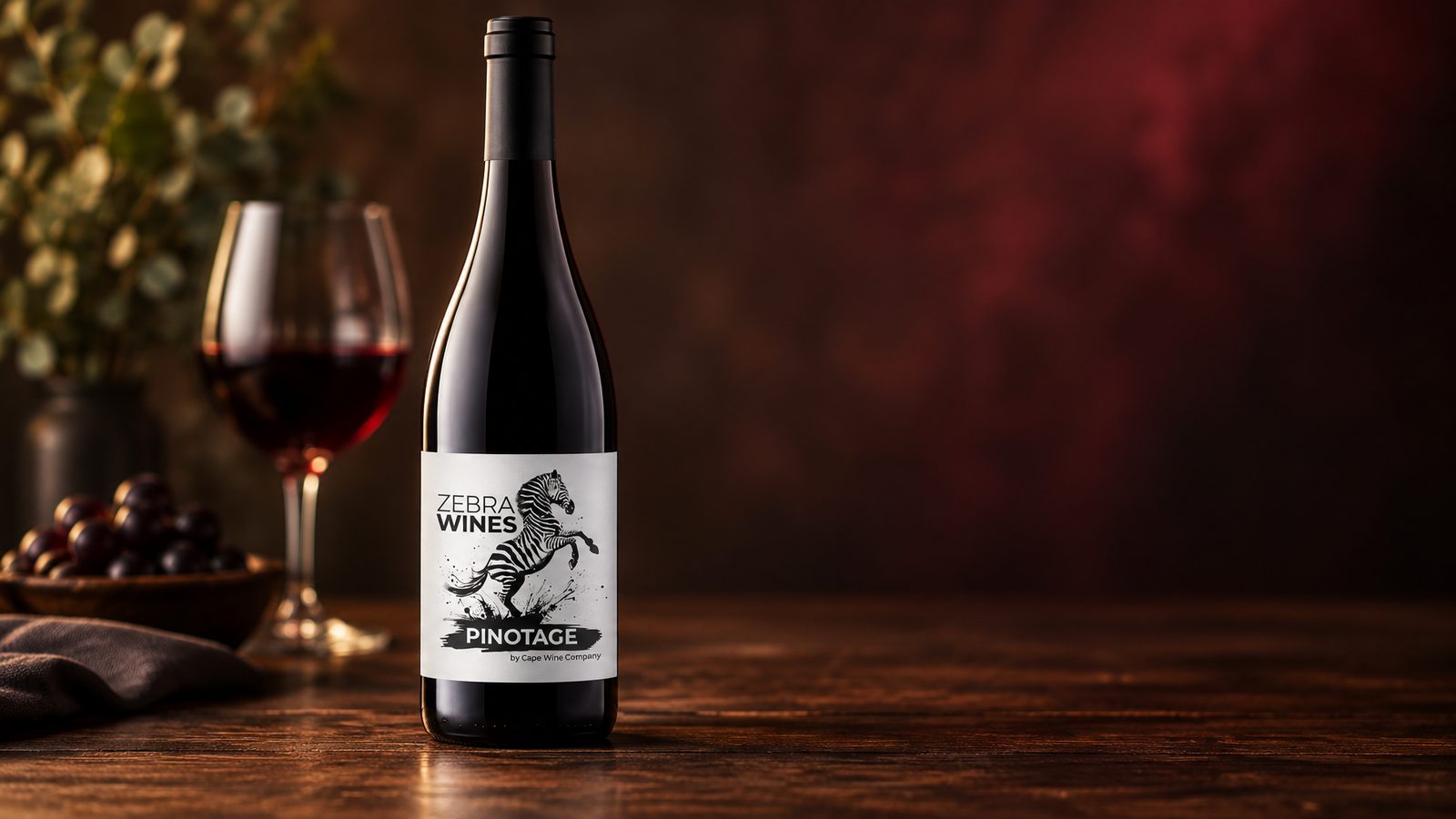
If the recipient is new to South African wine, start with two grapes closely associated with the country. The Typical South African Varieties set contains three Chenin Blancs and three Pinotages from different ranges. The Chenin Blancs come from Nieuwe Haarlem, Seaward and 21 Gables; the Pinotages from Juno, Barista and 21 Gables.

It's a chance to compare the same grape across different styles and price points. Learn more in our guides to Chenin Blanc and Pinotage.

Availability is limited, with three sets currently in stock. If it sells out, consider the White set, our least expensive set, or a gift voucher for CZK 2,500.

For white wine lovers: the White tasting set

The White tasting set contains six white wines for CZK 1,703. It includes Ayama old-vine Chenin Blanc, Spier Seaward Sauvignon Blanc, Nieuwe Haarlem and the less familiar Grenache Blanc. Juno Sauvignon Blanc and Chenin Blanc complete the selection. Although the product address mentions rosé, the set contains only white wines.

For exploring wine regions: Franschhoek and Stellenbosch

What is Franschhoek? Franschhoek, meaning “French corner”, is a town 75 kilometres from Cape Town. It is one of South Africa's oldest towns and a well-known wine centre.

The Franschhoek set (CZK 2,842) brings together wines from three wineries: Boekenhoutskloof, including The Chocolate Block; La Bri, with Chardonnay, Merlot and Affinity; and Lynx, with Revolution and SMG.

The Stellenbosch set (CZK 3,182) focuses on Spier and Meerlust, including Rubicon and Spier MCC Brut Rosé. Our guide to South African wine regions is in preparation.

For wine enthusiasts: Cuvée Selection

The Cuvée Selection (CZK 3,140) includes six wines from five wineries: Meerlust Rubicon, The Chocolate Block, Spier Creative Block 2 and 3, Springfield Work of Time and Lynx Passion. These blends offer a look at the styles South African winemakers create.

For fans of one winery: Spier

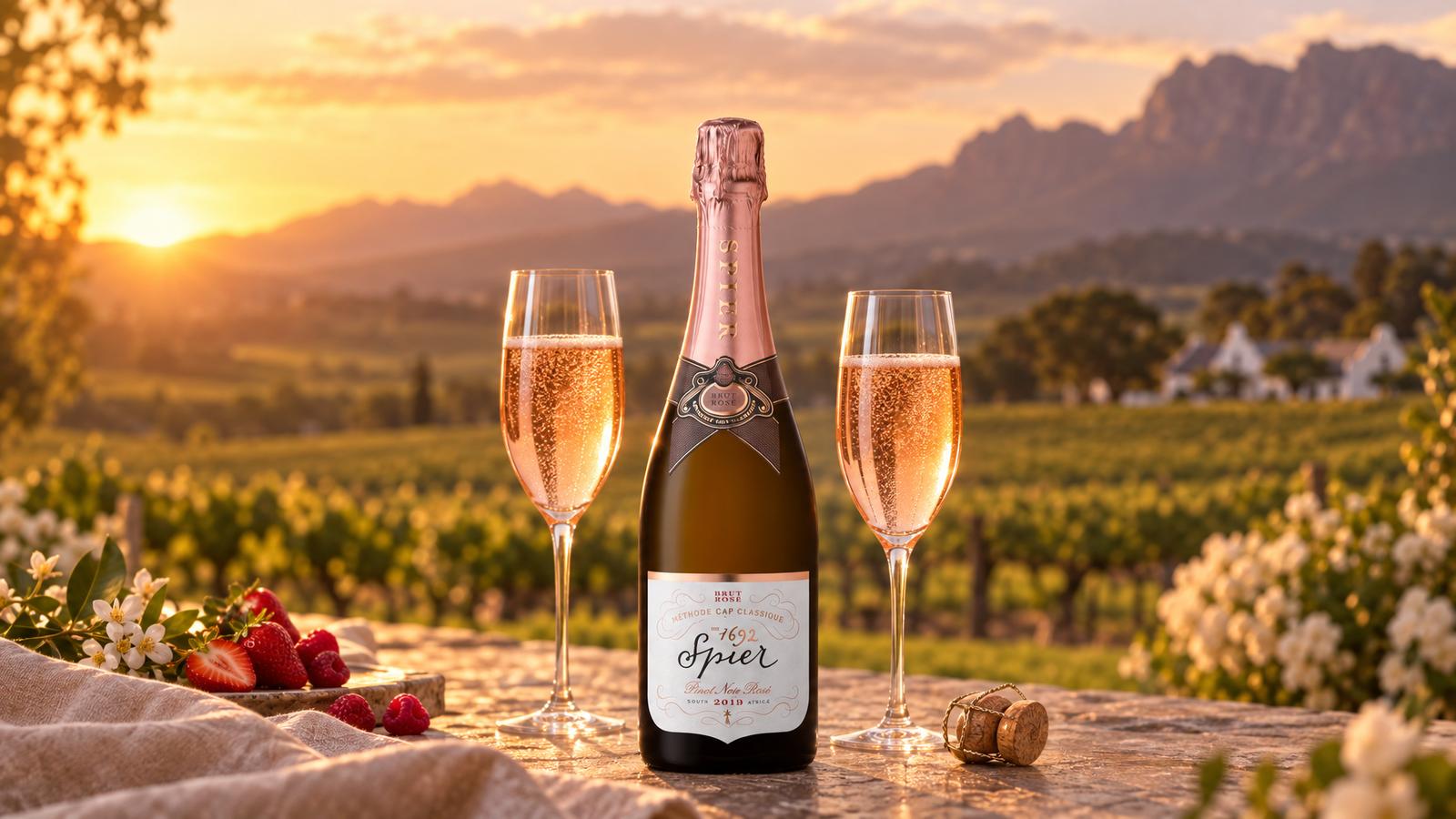
The Spier set (CZK 2,774) lets the recipient compare Seaward Chardonnay and Shiraz alongside Creative Block 2, Creative Block 5, 21 Gables Cabernet Sauvignon and Spier Signature Method Cap Rosé. For more on the sparkling style, read our Cap Classique guide. Explore the winery's wines on the Spier Wines page.

How the gift voucher works

Let the recipient choose their own wine. Standard voucher values are CZK 500, 1,000, 1,500, 2,000, 2,500 and 5,000. For another amount, contact info@zebrawines.cz.

Receive the voucher as a PDF by email or printed by post. Voucher delivery is free in both cases, and you pay only its face value. The voucher is valid for 12 months. The recipient can choose from our selection of South African wines. Browse gift vouchers.

Gifts for Christmas, birthdays and the last minute

Christmas. A tasting set makes a gift to unwrap and enjoy over time. Choose the White set for a white wine lover or Franschhoek for shared discovery.

Birthdays and milestones. A voucher gives the recipient freedom to choose. For a gift to unwrap, consider the Stellenbosch set with Rubicon.

A thank-you. A voucher for CZK 500 or 1,000 is a straightforward gift for a colleague, neighbour or teacher.

Last minute. For Christmas delivery, order physical gifts by 16 December. After that, a PDF voucher sent by email can be forwarded or printed.

Individual bottles as gifts

Looking for one special bottle? These recommendations were in stock when this guide was prepared:

“Barista Pinotage (CZK 239) and Barista Chardonnay (CZK 239) are among our most easy-drinking wines.” – Zdeněk Bínek, ZEBRA WINES

Corporate gifts and hospitality

For gifts for several people, order multiple tasting sets or vouchers. We can issue a voucher for a custom amount: contact info@zebrawines.cz. If you're planning corporate Christmas gifts, please contact us by the end of November. For hospitality businesses and larger orders, visit our HoReCa page.

Frequently asked questions

Which South African wine should I choose as a gift?

If you don't know the recipient's taste, choose a voucher. For someone who enjoys trying new wines, choose a tasting set. Typical South African Varieties suits beginners, while Cuvée Selection includes Meerlust Rubicon and The Chocolate Block for enthusiasts.

Which tasting set is suitable for a beginner?

Typical South African Varieties costs CZK 2,494 and includes three Chenin Blancs and three Pinotages. Availability is limited. Alternatives include the White set at CZK 1,703 or a gift voucher.

What is Franschhoek and why is it known for wine?

Franschhoek is a town 75 kilometres from Cape Town and a well-known wine centre. Our Franschhoek set includes wines from Boekenhoutskloof, La Bri and Lynx, including The Chocolate Block.

Is a bottle, a set or a voucher the best gift?

Choose a bottle if you know their taste, a six-wine set if they enjoy discovering wines, or a voucher if you're unsure or short of time.

What if I don't know what the recipient drinks?

A ZEBRA WINES gift voucher lets them choose their own wine. Standard values range from CZK 500 to CZK 5,000, and custom amounts are available through info@zebrawines.cz.

How does a ZEBRA WINES gift voucher work?

Choose a standard value from CZK 500 to CZK 5,000 and receive it as a PDF by email or printed by post. Voucher delivery is free, and the voucher is valid for 12 months. Contact info@zebrawines.cz for a custom amount.

How much does a tasting set cost and what does it contain?

The sets listed range from CZK 1,703 to CZK 3,182 and each contains six wines. Sets are 15% less expensive than the same bottles purchased individually and include free delivery. See the comparison table for the contents.

What can I give at the last minute before Christmas?

A PDF gift voucher can be sent by email or printed. For a physical gift, order by 16 December for Christmas delivery.

How can I arrange wine gifts for several clients or employees?

Order multiple tasting sets or vouchers. For custom voucher amounts, contact info@zebrawines.cz. For corporate Christmas gifts, please get in touch by the end of November.
Browse all tasting sets →

Cap Classique: South African Sparkling Wine Guide

Spier Cap Classique Brut Rosé – South African sparkling wine guide | ZEBRA WINES

TLDR
  • Cap Classique (Méthode Cap Classique, MCC) is South African bottle-fermented sparkling wine, made the same way as Champagne. The name is used since 1992, minimum 12 months on the lees.
  • Grapes: mostly Chardonnay and Pinot Noir, also Chenin Blanc. Our Ayama is 100% Vermentino.
  • Serve: 6-8 °C, tulip glass.
  • Food: Brut with oysters and fried food, Rosé with salmon and strawberries, Vermentino MCC with fish, ceviche and sushi.
  • Start at ZEBRA WINES: Spier Brut €20.51 · Spier Brut Rosé €20.51 · Ayama Vermentino MCC €20.51.

Cap Classique (also Méthode Cap Classique, MCC) is South African sparkling wine made by the traditional method, just like Champagne: the second fermentation happens directly in the bottle. The name dates to 1992 and the wine must age on yeast lees for at least 12 months. Most bottles come from Chardonnay and Pinot Noir, Chenin Blanc is common too.

What is Cap Classique

MCC on the label stands for Méthode Cap Classique. It marks South African sparkling wine made by the traditional method, with second fermentation in the bottle. The term is used since 1992 and covered by the Cap Classique Producers Association.

Short history: from Kaapse Vonkel 1971 to today

The first Cap Classique was bottled by Frans Malan at Simonsig. Harvest 1971, released in 1973 as Kaapse Vonkel. Huguenot tradition from Franschhoek added French roots to Cape terroir. Today MCC runs from fresh aperitif styles to vintage cuvées.

What is the difference between Cap Classique and Champagne? Both use bottle fermentation, they differ in origin and rules. Champagne comes only from the French Champagne region with a 15-month lees minimum, Cap Classique can come from anywhere in South Africa with a 12-month minimum. In the Czech Republic quality Cap Classique usually costs a fraction of Champagne, for example Spier Cap Classique Brut at €20.51.

How Cap Classique is made

The process mirrors Champagne, with a Cape signature. Base still wine, second fermentation in bottle, lees ageing, riddling, disgorging and dosage.

Picked early for acidity, gentle whole-bunch pressing, first fermentation in steel (part in old oak), then tirage with sugar and yeast, crown cap, second fermentation in bottle. Then the bottle rests on lees, at least 12 months for Cap Classique since the 2021 vintage. Riddling, disgorging and dosage follow, from Brut to Doux.

Why lees time matters

Longer yeast contact brings brioche, creaminess and finer mousse. The 12-month base keeps freshness and fruit. Vintage cuvées age longer. Our Spier Cap Classique Brut spent 23 months on lees, Spier Brut Rosé 14 months, Ayama Vermentino MCC at least 12 months. Prestige South African cuvées stay 3 years and more.

Cap Classique vs. Champagne vs. Prosecco vs. Cava

The usual question: is Cap Classique better than Prosecco, and how does it differ from Cava? The answer sits in method and lees time. Cap Classique and Champagne ferment in bottle, Prosecco typically in tank, Cava also in bottle but under different rules.

WineCountryMethodMin. lees ageingPressureTypical grapes
Cap ClassiqueSouth Africatraditional, bottle-fermented12 monthsmin. 3 barChardonnay, Pinot Noir, Chenin Blanc
ChampagneFrance, Champagne regiontraditional, bottle-fermented15 monthsaround 6 barChardonnay, Pinot Noir, Meunier
Prosecco DOC (spumante)Italytank method (Martinotti/Charmat), second fermentation in tankno required lees ageing in bottlemin. 3.5 barGlera (min. 85%)
CavaSpaintraditional, bottle-fermented9 monthsmin. 3.5 barMacabeo, Xarel·lo, Parellada

Is Cap Classique cheap Champagne?

No. Same method, different terroir and rules. Stellenbosch and Robertson give riper fruit than cool Champagne, the wines are rounder and more open young. If you want Champagne-structured bubbles at Prosecco money, start here.

Grapes and styles

The base is Chardonnay and Pinot Noir plus Pinot Meunier. The Cape signature is Chenin Blanc, rarely Pinotage. No legal limit on grapes or area, so growers improvise. That is why our Ayama Vermentino MCC from 100% Vermentino exists.

On the label look for Blanc de Blancs (white grapes only, usually Chardonnay, citrus and finesse), Blanc de Noirs (red grapes pressed off skins, fuller body) and Rosé (strawberries and cherries). Dosage sets sweetness: Brut up to 12 g/l, demi-sec 32 to 50 g/l, doux over 50 g/l. All three of our bottles are dry Brut styles. If you know Chenin Blanc, you will recognise its acidity in MCC blends too.

How to read the label: Brut, demi-sec, doux

StyleResidual sugarProfile
Brutup to 12 g/ldry, aperitif and food
Demi-sec32 to 50 g/loff-dry, desserts
Douxover 50 g/lsweet, desserts

How to serve Cap Classique

Serve Cap Classique chilled at 6 to 8 °C. Colder wine loses aroma, warmer wine loses mousse faster. Chill the bottle a few hours in the fridge and keep it in an ice bucket while serving.

Glass: a tulip over a tall flute, the aroma opens better and bubbles hold. Opening: foil off, loosen the cage, thumb on the cork, twist the bottle slowly, the cork just sighs. An open bottle keeps best with a sparkling stopper until the next day in the fridge.

What to pair with Cap Classique

Bubbles and acidity clean the palate, so MCC works from aperitif to table. Brut with aperitif, oysters, prawns, smoked salmon and fried food. Rosé with strawberries, ham, salmon and light Asian flavours. Vermentino MCC with fish, ceviche, sushi and Mediterranean cooking. Vintage MCC handles richer fish and roast chicken.

Our Cap Classique: three bottles from Spier and AYAMA

We are South African wine specialists, bringing personally selected wineries and their stories to the Czech Republic. Spier is a historic Stellenbosch farm, AYAMA farms Slent in Voor Paardeberg with an Italian signature.

Spier Cap Classique Brut, €20.51

Vintage blend 68% Chardonnay and 32% Pinot Noir from Stellenbosch, 23 months on lees. Apples and citrus, balanced body, good acidity. Toasts and seafood. Spier Brut detail. Currently on order, we watch restocking before Christmas.

Spier Cap Classique Brut Rosé, €20.51

100% Pinot Noir from Robertson Valley, 14 months on lees. Strawberries, cranberries, honeycrisp apple, minerality. Salmon, prawns and berry desserts. Spier Rosé detail.

Ayama Vermentino Methode Cap Classique, €20.51

100% Vermentino from Voor Paardeberg, min. 12 months on lees. White and yellow flowers, fresh palate with the typical gently bitter finish. Oysters, ceviche and sushi. Ayama MCC detail.

Which to pick?

Celebration and toast: Spier Brut. Gift and romantic dinner: Spier Rosé. Food and fish: Ayama Vermentino. For a light moment outside MCC we also have Juno Sparkling, which is not Cap Classique. More on the wineries: Spier Wines, Ayama Wines.

Where to buy Cap Classique in the Czech Republic and what it costs

All three bottles are €20.51 in Sparkling wines. To compare Rosé with quiet Spier wines, take the Spier tasting set, all sets sit in Tasting sets. A gift voucher works as a gift, the recipient picks the bubbles.

Cap Classique for restaurants and wine bars

MCC makes sense by the glass: Champagne method, a Stellenbosch and Paardeberg story, a price that holds the margin. With samples we add short staff training, so the team can say the 12-month lees line. Write via our HoReCa page.

FAQ

What is Cap Classique?

South African traditional-method sparkling wine with second fermentation in bottle. At least 12 months on lees, mostly Chardonnay and Pinot Noir.

How does Cap Classique differ from Champagne?

Same method, different origin and rules. Champagne only from Champagne with a 15-month minimum, MCC from anywhere in South Africa with a 12-month minimum, at a fraction of the price here.

Is Cap Classique better than Prosecco? And than Cava?

MCC and Cava ferment in bottle and run more structured, Prosecco typically in tank, lighter and fruitier.

Which grapes make Cap Classique?

Chardonnay, Pinot Noir and Meunier are recommended, Chenin Blanc is common. Our Ayama is 100% Vermentino.

How long does Cap Classique age on lees?

Minimum 12 months, our Spiers 14 and 23 months, prestige cuvées 3 years and more. Longer time brings brioche and cream.

At what temperature to serve Cap Classique?

At 6 to 8 °C. A few hours in the fridge, then an ice bucket. A tulip glass shows more than a flute.

What food goes with Cap Classique?

Brut with oysters, salmon and fried food. Rosé with ham, strawberries and salads. Vermentino MCC with fish, ceviche and sushi.

Where to buy Cap Classique in the Czech Republic and what does it cost?

At ZEBRA WINES at €20.51: Spier Brut, Spier Rosé and Ayama Vermentino in Sparkling wines. Rosé and Ayama in stock, Brut on the way.

Browse sparkling wines →

Czech version: Cap Classique průvodce (CZ).

Pinotage: A complete guide to South Africa’s signature red

pinotage-pruvodce-jizni-afrika-hero-1600

In short

  • Pinotage is South Africa’s own red grape (1925, Perold: Pinot Noir × Cinsault). Nowhere else offers this depth of styles.
  • Styles: everyday fruit · coffee (Coffee Pinotage) · fuller reserve.
  • Taste: cherry, plum, blackberry; mocha and dark chocolate on coffee styles; spice and cedar on reserve bottles.
  • At the table: braai, steak, lamb, game, barbecue.
  • Start at ZEBRA WINES: Juno €9.82 · Barista €9.82 · Barista Black €14.34 · ZEBRA €16.40 · Seaward €16.40 · Ayama €16.40 · 21 Gables €36.94.

If you try only one red wine from South Africa, make it Pinotage. It was born at the Cape and still defines the country’s red story: from an easy glass by the grill to a serious bottle with roast meat.

Modern Pinotage can be fruity, coffee-styled or properly oak-aged. Below are three styles and concrete bottles from the ZEBRA WINES range.

Pinotage’s story in South Africa

In 1925 at Stellenbosch University, Professor Abraham Izak Perold crossed Pinot Noir with Cinsault (then called Hermitage at the Cape). He wanted Burgundy’s elegance with Cinsault’s hardiness and yield.

The result is a dark, characterful wine of its own. Today you find it from everyday Coastal Region bottles to top Stellenbosch ranges. In the Czech Republic we import it direct from growers we know in person.

Three styles you will find with us

In the Western Cape, Pinotage is made mainly in three ways. Each style below has a bottle from our list.

Everyday fruit style. Red and black fruit, softer tannins, easy drinking. Start: Juno Pinotage (€9.82) – plum, cherry, cedar, clove. Mid tier: Spier Seaward Pinotage (€16.40) – raspberry, blackberry, vanilla. From Paardeberg: Ayama Pinotage (€16.40) – sour cherry, plum, pepper, elegant tannins.

Coffee style (Coffee Pinotage). Carefully toasted barrels give roasted coffee, mocha and dark chocolate beside dark fruit. Easy entry: Barista Pinotage (€9.82). Fuller take: Barista Black (€14.34). Our own label in the same profile: ZEBRA WINES Pinotage (€16.40) – coffee, cherry, plum, smoky oak.

Reserve and top range. Longer oak, firmer structure, ageing potential. Our peak: Spier 21 Gables Pinotage (€36.94) – caramelised black cherry, dark spice, bitter chocolate, silky tannins (18 months in oak).

What to drink Pinotage with

Fuller body and ripe fruit make Pinotage a natural partner for roast and grilled meat. At the Cape that means braai (charcoal grill).

  • Beef and grill – steak, burgers, pork belly, barbecue sauce
  • Lamb and game – roast lamb, slow-cooked game, kebabs
  • Spiced cooking – Cape Malay curry, hot sauces (fruit balances heat)
  • Cheese and dessert – mature hard cheeses; coffee styles also with dark chocolate

Serving temperature: fruit and coffee styles 16-18 °C; fuller reserve 17-19 °C (too cold locks away fruit and oak).

Ageing: everyday fruit and coffee bottles within 3-5 years of harvest. 21 Gables and similar reserves 8-12 years, slowly picking up tobacco, cedar and dried fruit.

Where to buy Pinotage in the Czech Republic

At ZEBRA WINES we choose wines directly with the growers. Start with Juno or Barista. Coffee profile one step up: ZEBRA Pinotage or Barista Black. Compare coastal vs top range: Seaward next to 21 Gables. Paardeberg: Ayama Pinotage.

More Cape reds: Red wines. Sets: Tasting sets.

South Africa’s signature white: Chenin Blanc guide.

Czech version: Pinotage průvodce (CZ).

Chenin Blanc: A complete guide to South Africa’s signature white

chenin-blanc-blog-hero-1600

TLDR

  • Chenin Blanc (historically called Steen at the Cape) is South Africa’s main white grape – more than half the world’s plantings grow here.
  • Styles: fresh stainless steel · coastal with oak · old vines (Old Vine).
  • Taste: apple, lime, peach; honey, melon and brioche on oaked and Old Vine bottles.
  • At the table: seafood, poultry, Asian food, goat cheese.
  • Start at ZEBRA WINES: Juno €9.85 · Ayama €13.93 · ZEBRA €16.45 · Seaward €15.21 · 21 Gables €26.75.

If you try only one white wine from South Africa, make it Chenin Blanc. At the Cape it was long called Steen, and it still anchors white winemaking there. More than 50 % of the world’s Chenin vineyards sit in South Africa.

From a light glass on the terrace to a fuller old-vine bottle: Chenin Blanc does both.

Chenin Blanc’s story in South Africa

The first vines arrived with Jan van Riebeeck in 1655. For centuries it was a workhorse grape for table wine and brandy. The revival came in the last thirty years: growers took old bush vines seriously and Chenin moved into premium white territory. Sommeliers now rank it among the most interesting New World whites.

Three styles you will find with us

In the Western Cape, Chenin is made mainly in three ways. Below each style is a bottle from the ZEBRA WINES range.

Fresh stainless steel. Fermented in steel, no oak. Citrus, green apple, guava, passion fruit. Everyday start: Juno Chenin Blanc (€9.85). One step up with a touch of wood: ZEBRA WINES Chenin Blanc (€16.45).

Coastal style with oak. Fruit from ocean-cooled sites (Swartland, Stellenbosch), aged on the lees (sur lie) in oak. White peach, citrus peel, light vanilla, creamy texture. Spier Seaward Chenin Blanc (€15.21). Top of the range: Spier 21 Gables Chenin Blanc (€26.75).

Old vines and terroir. Bush vines without trellis, deep roots in granite. At AYAMA on Paardeberg: Ayama Chenin Blanc (€13.93) and Ayama Chenin Blanc Old Vine from a 1986 block (€16.45).

What to drink Chenin Blanc with

Acidity plus fuller body makes Chenin an easy partner at the table.

  • Seafood and fish – prawns, butter-poached pike-perch, trout, oysters
  • White meat – roast chicken with herb butter, turkey, veal
  • Asian cooking – Thai curry, spring rolls, sushi (fruit balances chilli and ginger)
  • Cheese – goat, Camembert, Brie, Gouda

Serving temperature: fresh stainless 8-10 °C; fuller oak and Old Vine 10-12 °C (too cold locks away wood and brioche notes).

Ageing: basic stainless is best within 2-3 years of harvest. Higher-acid Old Vine bottles can age 5-10 years and slowly pick up honey and nut.

Where to buy Chenin Blanc in the Czech Republic

At ZEBRA WINES we choose wines directly with the growers. Start with Juno, Ayama or ZEBRA Chenin. Compare steel vs oak: Seaward next to 21 Gables. Old vines: Ayama Old Vine.

More Cape whites: White wines. Sets: Tasting sets.

Czech version: Chenin Blanc průvodce (CZ).

English version: Chenin Blanc guide (EN).

South Africa’s signature red: Pinotage guide.

ZEBRA WINES at Wine Prague 2026

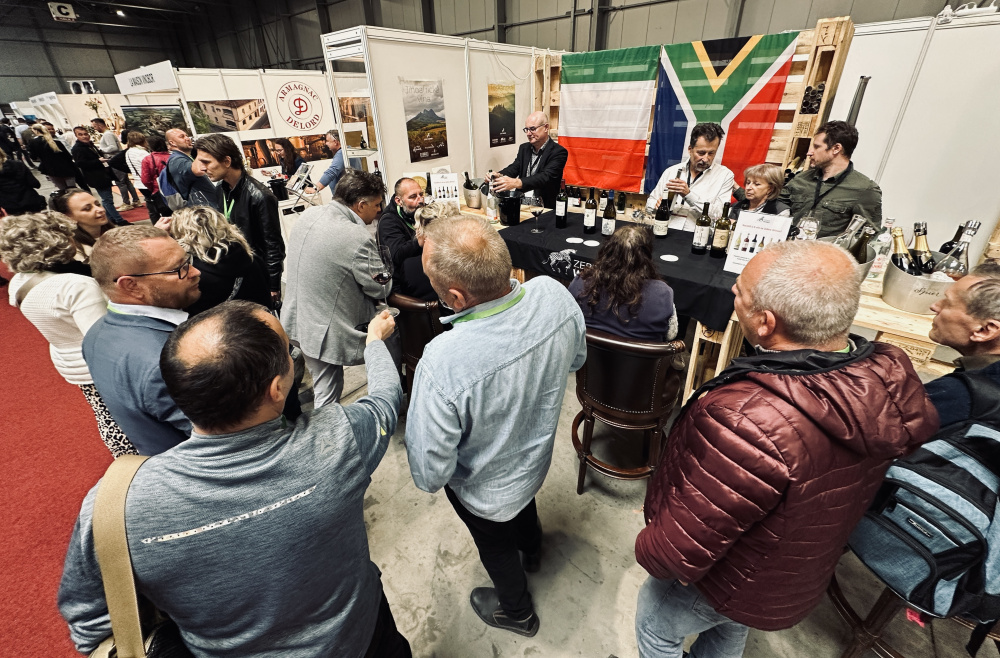
After two years we are back at Wine Prague. On Monday 19 October 2026 you will find us at Žofín Palace with a stand of South African wines we import after visiting the estates in person.

Some of you we met at an earlier edition. We would love to see you again. If it is your first time, stop by as well. A glass is the easiest way to start.

  • When: Monday 19 October 2026
  • Where: Žofín Palace, Prague
  • Who: ZEBRA WINES booth · no. 48


Official info: wineprague.com · tickets

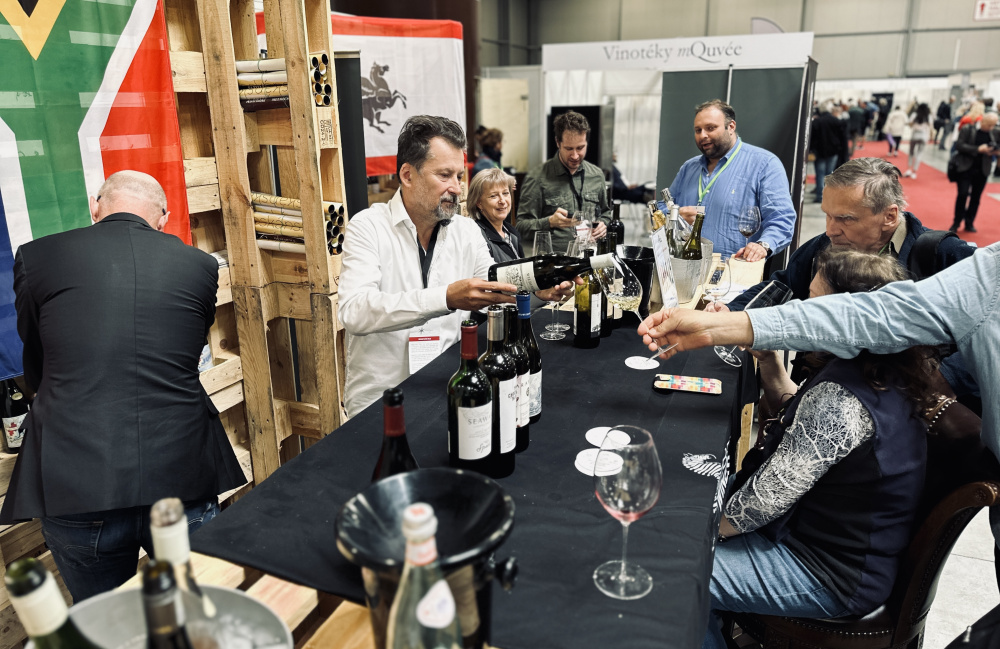
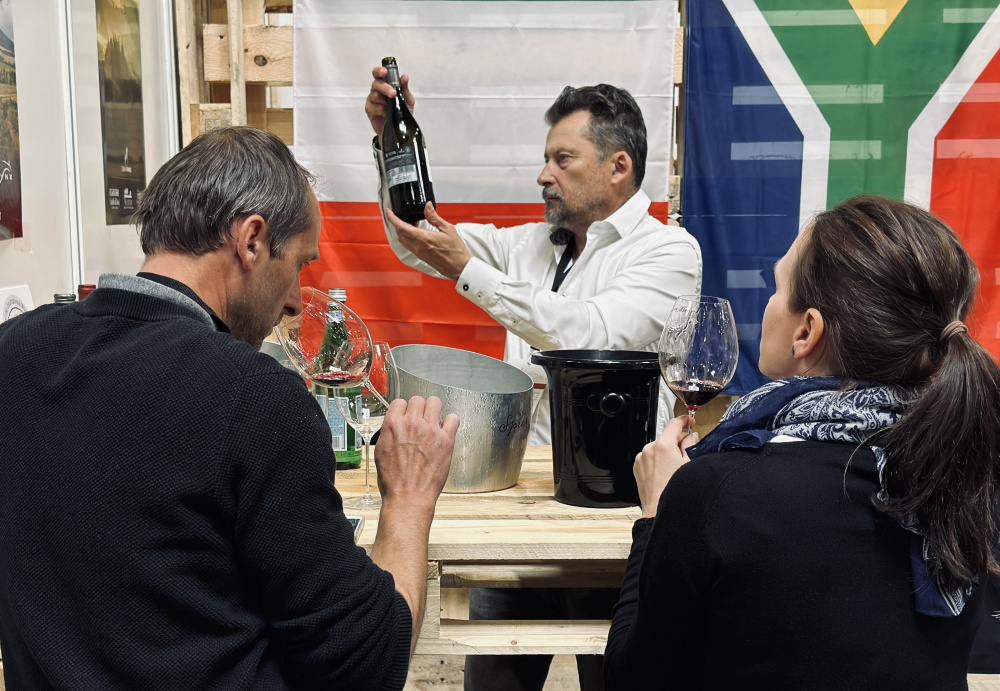
ZEBRA WINES booth at Wine Prague 2023

Photos from the ZEBRA booth at Wine Prague 2023. This year we meet again on 19 October 2026 at Žofín Palace, booth 48.

Tasting at the ZEBRA booth
South African wine tasting

What you can taste at the booth

White and Cap Classique

Red


The booth selection may change slightly with stock. The current shop is at zebrawines.cz/en.

For wine lovers

Come taste, compare Pinotage side by side, ask about the estates, and leave with a tip for home or a gift. The e-shop stays open after the fair.

For restaurants, hotels and wine shops

Building a list, by-the-glass or a seasonal offer? At the booth we can talk assortment, pricing and samples. Send a wholesale enquiry anytime via HoReCa.

info@zebrawines.cz · +420 777 008 467

Practical info


19 October 2026 · Žofín Palace · booth 48

E-shop · HoReCa · Wine Prague

Dry or sweeter wine? Why it's worth giving dry wine a try

Sweet wine (or semi-sweet, semi-dry) has a reputation for being beginner-friendly. Dry wine is often described as being “for connoisseurs.” Both of these are oversimplifications. The real difference is simple, and once you understand it, you’ll find it easier to choose a bottle that suits your meal, mood, and occasion.

 What does “dry wine” actually mean?

During fermentation, yeast converts the sugar in the grapes into alcohol. If fermentation is allowed to run its full course, almost all of the sugar is consumed, resulting in a dry wine. The residual sugar in dry wine is typically less than 4 g/l—practically nothing that you would perceive as sweetness on your tongue.

Sweet wine, on the other hand, is produced when fermentation is intentionally stopped early, or when concentrated grape must is added to the wine. The residual sugar can then reach tens to hundreds of grams per liter.

Why dry wine?

  1. It pairs more easily with food

Dry wine lets the food shine. Grilled meat, pasta, fish, vegetables, cheese—with most dishes, dry wine works better than sweet wine because it doesn’t overpower the flavors on the plate. Sweet wine, on the other hand, competes with salty and umami flavors and can turn a meal into a sensory chaos.

  1. Less sugar

Lower residual sugar content is a fact, not a marketing ploy. For those watching their sugar intake, dry wine is the more logical choice. Semi-dry and sweet varieties contain significantly more residual sugar.

  1. Greater Complexity in the Glass

Dry wine must stand on its own. Without sweetness to mask imperfections, the winemaker must work with the varietal character, terroir, and winemaking techniques. The result is wines with greater depth, length, and complexity on the palate.

  1. The Natural Flavor of the Grape Variety

In inexpensive wines, sweetness often serves to mask mediocre raw materials. A dry wine either delivers the quality of the grape variety or nothing at all. That is why the most interesting wines are more prominently represented among dry wines.

Dry red wines from Zebra Wines

South African red wines are naturally dry and, thanks to the sunny climate of the Cape Winelands, rich in fruit, with well-integrated tannins.

Spier Seaward Pinotage – Pinotage is South Africa’s national grape variety; Spier’s Seaward version offers aromas of dark fruit, a subtle smokiness, and a smooth finish. A classic example of what a dry Pinotage can offer.

Meerlust Cabernet Sauvignon – Meerlust is one of the oldest family-owned wineries in South Africa, in operation since 1693. Their Cabernet Sauvignon features notes of cassis, cedar, and soft tannins—classic, dry, and elegant.

Juno Merlot – More approachable and rounded than Cabernet, with aromas of red and dark fruit. Ideal for those who are just discovering dry red wine and are looking for a less tannic entry point.

Dry white wines from Zebra Wines

White dry wines from South Africa benefit from their proximity to the ocean. The Atlantic and Indian Oceans cool the vineyards, preserving acidity and freshness—exactly what a dry white wine needs.

Spier Seaward Chardonnay – A Chardonnay from the Stellenbosch region with notes of peach, citrus, and subtle vanilla. Fermentation in stainless steel preserves its freshness without an excess of buttery flavors. Dry, clean, and very versatile with food.

Juno Chenin Blanc – Chenin Blanc is the king of white grape varieties in South Africa. The Juno version offers aromas of green apple, pear, and a hint of herbs. Dry, with lively acidity, it’s excellent as an aperitif and with seafood.

Juno Sauvignon Blanc – Green herbs, citrus, peach. For many people, Sauvignon Blanc is the first dry white wine they fall in love with—and for good reason.

When Should You Give a Sweeter Option a Try?

A sweeter wine isn’t bad. It has its place with desserts, strong cheeses, or as a Moscato d’Asti-style aperitif. The problem arises when a sweeter wine replaces a dry one simply because it’s more pleasant on the first sip. Dry wine takes some getting used to, but it’s worth it.

If you’re used to off-dry or sweet wines and want to switch to dry ones, start with whites—they’re more approachable than reds. Juno Chenin Blanc or Spier Seaward Chardonnay are great first steps.

Summary

Dry wine pairs better with food, contains less sugar, offers greater complexity, and provides a truer expression of the grape variety. Sweet wine has its time and place, but for everyday drinking and at the dinner table, dry wine almost always wins out.

South African dry wines from Zebra Wines are a great place to start—whether you’re looking for a full-bodied, fruity red or a crisp white with lively acidity. Check out the full selection at www.zebrawines.cz.  

The Chocolate Block
The Chocolate Block – Boekenhoutskloof bottle on a table

The Chocolate Block is a red blend from the Swartland, made by Boekenhoutskloof. It is a Syrah-led cuvée with dark fruit, spice, and smooth tannins. In stock at ZEBRA WINES for CZK 649: buy The Chocolate Block.

Contents

What is The Chocolate Block?

The Chocolate Block is a South African red blend. It is not a single-vineyard, single-variety Syrah. Boekenhoutskloof builds it as a deliberate cuvée so the wine keeps a clear house style across vintages and old-vine character.

At ZEBRA WINES we describe it as a Swartland cuvée led by Syrah, with Grenache, Cabernet Sauvignon, Cinsault, and Viognier. The nose shows dark fruit, black olive, spice, and white pepper. The palate is juicy, medium to full: berries, red cherry, liquorice, tobacco, smooth tannins, and a long dry finish. Price with us: CZK 649, in stock.

Producer page: Boekenhoutskloof – The Chocolate Block.

Where does the wine come from?

Boekenhoutskloof sits in the Franschhoek Valley. The farm dates back to 1776; the name means “ravine of the Boekenhout” (Cape beech). The Chocolate Block itself leans on the Swartland: a warmer, drier terroir where Syrah and Mediterranean varieties give a fuller, spicier profile than cooler coastal zones.

The producer is clear that the Cape’s Mediterranean climate suits blended reds. Chocolate Block is that idea in a bottle: not a Bordeaux copy, but a modern Cape Rhône-style blend with its own logic.

More on the brand: Boekenhoutskloof at ZEBRA WINES.

What is in the blend, and why does it change?

The recipe is not fixed forever. Boekenhoutskloof tunes it each vintage to the season and to old vines with real personality.

Current 2023 blend at the producer (boekenhoutskloof.co.za):

Variety Share (2023) Role in the blend
Syrah 74% Core: fruit, spice, body
Grenache 11% Juiciness, red fruit, softness
Cabernet Sauvignon 8% Structure and length
Cinsault 6% Lift and elegance
Viognier 1% Aromatics (often co-fermented)

Trade sheets match those numbers (e.g. Wine.com – 2023): 74 / 11 / 8 / 6 / 1, with most fruit from the winery’s own farming programme.

Why it matters: Chocolate Block is not a random “red blend” label. It is a style line: Syrah up front, Rhône partners, Cabernet as an anchor. Percentages shift a little by vintage; the DNA stays.

How does it taste?

Straight talk:

  1. Nose: dark fruit, olive, pepper, spice.
  2. Palate: juice plus medium to full body, not heavy syrup.
  3. Tannins: smooth and approachable earlier than hard Bordeaux styles.
  4. Finish: dry, long, with liquorice / tobacco.

Our product page notes berries, red cherry, liquorice, tobacco. That lines up with how merchants describe it abroad: elegant and linear, soft tannins, Syrah blend without drama.

Serving temperature: about 16-18°C. Too warm and alcohol/wood crowd out the fruit. Too cold and the Syrah shuts down.

Decanting: 20-40 minutes is enough for a younger vintage. This is not a 20-year oak bomb that needs half a day.

Why is it called Chocolate Block?

The winery keeps the official story playful and secret: the quest to understand the name is “the stuff of legend,” and they are “not about to reveal all” (Boekenhoutskloof).

Outside the official line, writers often link the name to a spicy, dark profile (including bitter chocolate / spice associations), e.g. Write for Wine. Treat that as interpretation, not a corporate myth you must repeat as fact.

In practice the name works. On a shelf or a wine list, guests read it once and remember it. “Syrah / Grenache / Cinsault Swartland blend” does not do that.

What food pairs with it?

Chocolate Block loves roast meat, grill, and spiced sauces:

Food Why it works
Steak / BBQ beef Tannin + fruit hold fat and char (Love Wine, Vinello)
Lamb chops / kebab Syrah + spice; proven tasting-note pairing (Christy Majors)
Roast pork, ribs Medium body does not crush the meat
Darker sauces, mushrooms Olive / tobacco / liquorice on the finish
Dark chocolate (carefully) More a name game than the main pairing; meat still wins

HoReCa tip from ZEBRA WINES: by-the-glass in a wine bar (memorable name + drinkable tannins), bottle list in steakhouses and grill bistros. Contact: info@zebrawines.cz, +420 777 008 467.

Who is it for?

Yes, if you:

  • want a South African icon without memorising ten grape names,
  • like Syrah / Rhône blends but not ultra-heavy “blockbuster” wines,
  • need a gift: the name + Swartland story beat a faceless cuvée,
  • build a list: guests will ask for “Chocolate Block” by name.

Less ideal if you:

  • want a pure Bordeaux-style Cabernet (look at Boekenhoutskloof Franschhoek / Stellenbosch Cabernet instead),
  • want light Pinot with fish.

Related picks in the ZEBRA catalogue:

Where to buy it in the Czech Republic?

Official import and e-shop: ZEBRA WINES – The Chocolate Block
Price: CZK 649 · in stock (check the live product page)
Brand: Boekenhoutskloof
B2B / HoReCa: info@zebrawines.cz · +420 777 008 467

Conclusion

The Chocolate Block is a modern Cape red blend led by Syrah, with a name people remember and a style that holds across vintages. Boekenhoutskloof builds it as a blend (2023: 74% Syrah + Grenache, Cabernet, Cinsault, Viognier). The wine is juicy, spicy, and food-friendly with grill and lamb. In the Czech Republic it is in stock at ZEBRA WINES: buy The Chocolate Block.

Sources

INTERNATIONAL VARIETALS DAYS: A BRIEF GUIDE TO CHOOSING WINE

I’m sure you’ve found yourself standing in front of the wine rack, wondering for ages what to open. White or red, Sauvignon or Chardonnay, a single-varietal or a blend… Do you choose a wine based on your current mood and taste, or do you rotate through different varieties on a strict schedule—like, “I had Shiraz yesterday, so today I have to have Cabernet”?

Wine has become an indispensable part of human culture and history. Each wine variety offers unique characteristics and flavor nuances that enrich the dining experience. One option is to rotate wines regularly so you don’t get “tired” of a single variety. More advanced wine enthusiasts then pair wines with specific dishes. A third option is to draw inspiration from international days dedicated to individual grape varieties.

International grape variety days are an opportunity to celebrate and appreciate their uniqueness. The spring and summer months are devoted mainly to white wines, while late summer and fall favor red, more mature varieties. Let’s take a look at the significant days for some of the most renowned varieties and what foods pair well with them.

Sauvignon Blanc: May 1

International Sauvignon Blanc Day is celebrated on May 1 and is dedicated to this distinctive and aromatic variety. The date reflects its popularity in the spring, when the fresh taste and aroma of Sauvignon Blanc provide a refreshing experience. Food pairing: Thanks to its freshness, Sauvignon Blanc is ideal with light salads, goat cheese, and vegetable- or fish-based dishes.

Chardonnay: May 21

Chardonnay is one of the most widely grown white grape varieties in the world. International Chardonnay Day is celebrated on May 21, when winemakers and wine lovers pay tribute to this versatile variety. The date was chosen to coincide with the post-harvest period in the Southern Hemisphere and the start of the growing season in the Northern Hemisphere. Food Pairings: Chardonnay is a great companion for creamy pasta, grilled chicken, and seafood such as oysters or lobster.

Chenin Blanc: June 20

Chenin Blanc is celebrated on June 20 and is known for its diverse styles and regions of origin—from France to South Africa. This day is an opportunity to appreciate its versatility and ability to adapt to various climatic conditions. Food Pairings: Chenin Blanc pairs wonderfully with Asian cuisine, particularly dishes with subtle curry flavors or those featuring fish and chicken.

Shiraz: July 23

The Shiraz variety, celebrated on July 23, highlights this full-bodied and spicy wine. The date evokes summer, when Shiraz offers the perfect accompaniment to BBQs and grilling. Food pairing: Shiraz pairs wonderfully with grilled meats, spicy dishes such as Mexican or Indian specialties, and blue-veined cheeses.

Pinot Noir: August 18

Pinot Noir is celebrated on August 18 and is prized for its elegance and complexity. This date was chosen to coincide with the time when the grapes of this variety begin to ripen in many wine regions. Food pairing: Pinot Noir pairs perfectly with roast duck, mushroom dishes, and light pasta.

Cabernet Sauvignon: August 30

Cabernet Sauvignon is one of the most famous red varieties, and its day is celebrated on August 30. This date was chosen at the end of summer, which is traditionally when this variety ripens in many wine-growing regions. Food Pairing: Cabernet Sauvignon is perfect with red meats, such as steaks or lamb chops, and pairs well with hard cheeses.

Cap Classique Day: September 1

The day celebrating South African sparkling wines made using the Cap Classique method is celebrated on September 1. Sparkling wines in these latitudes symbolize the return of spring, blooming proteas, and new energy. Food Pairing: Sparkling wines are great with light appetizers such as caviar, shrimp cocktails, or cheese platters.

Pinotage: October 11

Pinotage is a distinctive South African variety celebrated on October 11. This day commemorates the wine’s maturation in cellars following the spring harvest in the Southern Hemisphere and pays tribute to this unique variety, a symbol of South African winemaking. Food Pairings: Pinotage is excellent with game, pork, and hearty vegetable dishes.

Merlot: November 7

Merlot is celebrated on November 7 and is known for its smoothness and fruity profile. Fall is the ideal time to enjoy this wine, which brings warmth and comfort. Food Pairing: Merlot is excellent with pasta in tomato sauce, grilled mushrooms, and mild cheeses such as Brie or Camembert.

International Wine Variety Days provide a wonderful opportunity for winemakers, sommeliers, and wine lovers around the world to celebrate the richness and diversity of wines. Each variety has its own charm that pairs perfectly with different dishes, offering a path to discovering new taste experiences. Whether you’re a lover of red, white, or sparkling wine, every day is an opportunity to explore and appreciate the world of wine.

Czech Christmas holidays and South Africa – how do they go together?

The end of the year is fast approaching, and you are surely already making gastronomic plans for the holidays. Fried carp or schnitzel with potato salad is a Czech tradition, but many of you are surely thinking about pairings other than just Pilsner Urquell. Not to mention that the choice of dishes for various occasions is very wide today, and it would be a shame not to pair them with fine wines of corresponding quality.

Christmas Eve (December 24)

On Christmas Eve, families gather around a lavishly set table, making it the perfect time to enjoy white wine. We recommend Juno Chenin Blanc, which is very popular in South Africa. This wine has a wide range of flavors, from fresh citrus and apples to honey tones. It is great with fish dishes, turkey, or even traditional Christmas salads.

Another great tip is Spier Seaward Sauvignon Blanc – with its typical taste of green figs, blackberry leaves, and ripe tropical fruit, it goes well with light appetizers and salads and is a pleasant companion for a festive evening.

Obsah článku
Sauvignon Blanc


Christmas Day (December 25)

On Christmas Day, richer dishes are often served, which allows for the selection of red wine. We recommend Pinotage, a characteristic South African variety. For example, the mysterious Barista Black represents a distinctive and elegant version of this South African icon – 100% Pinotage from the Western Cape region. This wine combines the richness of a traditional variety with a modern style: a dark ruby color, aromas of black fruit, roasted coffee, dark chocolate, and subtle oak, making it an ideal accompaniment to roasted red meat or duck.

In addition, Shiraz is also suitable for this day, offering strong spicy tones and dark fruit, which go well with dishes such as roast beef or game. This is especially true of The Chocolate Block, a distinctive South African red cuvée from Swartland, composed mainly of Shiraz complemented by Grenache, Cabernet Sauvignon, Cinsault, and Viognier.

Obsah článku
Barista Black (Pinotage)


New Year's Eve (December 31)

Nothing sparkling should be missing on New Year's Eve! Methode Cap Classique (MCC) is a South African alternative to French champagne. These wines have a rich flavor, fine bubbles, and balanced acidity. Ideal for toasting the start of the new year. MCC pairs well with appetizers such as platters of smoked fish or cheese, and simply creates a celebration that everyone will enjoy.

And why not make New Year's Eve a little rosier! Spier Cap Classique Brut Rosé is made from 100% Pinot Noir. The wine is full of finesse and energy, with a lively aroma of ripe strawberries, cranberries, and notes of honey apples on the palate, with a balanced flavor and lingering acidity and minerality.

New Year's Day (January 1)

To ensure that luck does not fly away on New Year's Day, red meat dishes are usually served. Merlot is an excellent choice to pair with these dishes. It is smooth and fruity, and perfectly complements New Year's dishes. For example, La Bri Merlot is an elegant red wine from Franschhoek Valley in South Africa, made from grapes grown in clay vineyards. Its aroma features notes of smoked bacon, violets, and mulberries, while its taste offers juicy dark fruit, delicate chocolate, smooth tannins, and balanced acidity.

We must not forget to mention the royal variety, Cabernet Sauvignon. And since it's New Year's Eve, why not try the best South Africa has to offer? Meerlust Rubicon is an iconic red cuvée from the Stellenbosch region of South Africa, composed of 44% Cabernet Sauvignon, 40% Merlot, 12% Cabernet Franc, and 4% Petit Verdot. The wine has a deep ruby color and a complex aroma of violets, black plums, blackberries, cedar wood, and delicate spices.

Obsah článku
Meerlust Rubicon


If you want to try something new this Christmas, wines from South Africa are definitely a great choice. Thanks to the stable and sunny climate, they are concentrated, full-bodied, and consistent in quality across vintages. You definitely won't go wrong.

We wish you happy holidays and a great start to the New Year!

Where to go from Cape Town Airport?

A friend of mine calls to say he's flying to South Africa, where he's going to go wine tasting. We get many questions like this throughout the year, so we thought it would be useful to write up a few recommendations of this type in our newsletter. So close your eyes and imagine that you have just landed at Cape Town Airport and have an irresistible craving for delicious wine. Where will your first steps take you?

Obsah článku

The scale of the wine industry in South Africa is staggering – Platters wine guide dedicated to South Africa contains 700 densely described pages. So the intention to take a chance and visit one of them may seem like shooting in the dark. Fortunately, the first wine region – and the most famous one – is only 50 km from Cape Town Airport and can be reached in just under an hour. You don't have to worry about accommodation – some wine farms offer accommodation on their premises, or you can find plenty of options in the surrounding area.

Stellenbosch: a historical gem with great potential

Stellenbosch is probably the most famous wine region in South Africa, often referred to as the country's wine mecca. Located east of Cape Town, it is renowned for its historic center with colonial architecture and vineyards stretching across the slopes of the southern foothills of the Hottentots Holland Mountains. This area is considered the heart of South African wine and produces a wide range of varieties, with an emphasis on quality and tradition.

Stellenbosch is also home to several leading wine institutes, such as Stellenbosch University, where the famous Pinotage variety was created. If you ask the locals which two wineries to visit (you won't be able to manage more than that in one day), they will usually refer you to Spier Wine Farm and Meerlust Wine Estate with its iconic Rubicon.

Franschhoek: a culinary and wine gem

This area is a little further away, located about 75 km from Cape Town, and is synonymous with luxury wineries, galleries, and traditional French architecture. Franschhoek (Czech for "French Corner"), often referred to as "Little France," is a picturesque area surrounded by mountains, known not only for its excellent wines but also for its culinary specialties and rich European history.

Varieties such as Chardonnay, Sauvignon Blanc, Shiraz, and Merlot predominate in the Franschhoek area. Above all, there is a strong emphasis on varieties that correspond well with the local climatic conditions and terroir, which produces wines with an elegant profile and rich aromatics. A distinctive feature of the local wines is the emphasis on quality and uniqueness, often with an emphasis on minimal intervention in production. That is why you can taste such different wines here as those from La Bri, Lynx Wine Estate, or Boekenhoutskloof Winery Pty Ltd, which is known for producing the famous wine The Chocolate Block.

.

Obsah článku


Paarl: a traditional and diverse region

Paarl, the third largest wine region in the Cape Town area, located 60 km northeast, completes the golden triangle of Western Cape winemaking. This region is known not only for its rich vineyards, but also for its historical monuments and rock formations, such as Du Toitskloof.

The dominant varieties in Paarl, as in other regions, are Cabernet Sauvignon, Shiraz, and Merlot, but the area is particularly renowned for producing dry and intense wines. White varieties such as Chardonnay and Chenin Blanc are also widely grown. Thanks to its diverse soils and microclimate, Paarl offers unique opportunities for producing varietal wines with deep structure and distinctive aromatics. Definitely worth a visit is Fairview Farm, which produces cheese and wine that we import under the Cape Wine Company brand, or the South African winery with Italian cellar masters, Ayama Wines.

Robertson: a region with a specific microclimate

The Robertson region lies about 120 km northeast of Cape Town and is best known for its specific microclimate and favorable terroir, which supports the growth of varieties suitable for both young, fresh wines and mature, full-bodied drinks. This region is often referred to as a "paradise for rosé wines" due to the wide range of varieties grown here.

The main wine varieties in Robertson are Shiraz, Cabernet Sauvignon, and Merlot, which often win awards at domestic and international competitions. White varieties such as Sauvignon Blanc and Chenin Blanc are also widespread, with producers here emphasizing fresh, mineral wines with delicate aromas. Probably the best known is the family-owned Springfield Estate, with its beautiful, mineral wines grown on stony soils and produced using traditional methods.

2028: From the airport to the cellar even faster!

And finally, some great news: Cape Winelands Airport will open in 2028, further shortening the distance to the main wine regions. Cape Winelands Airport, which is being built northeast of Cape Town, caters to the growing number of foreign and domestic tourists traveling to see the beauty of the city and its surroundings and, of course, for great wine experiences!

The area around Cape Town is one of the most important and most recognized wine regions in the world. This area is renowned not only for its unique terroirs and diverse varieties, but also for its rich history and traditional approach to winemaking. Each of the main wine regions has its own specific characteristics, varieties, and traditions, which contribute to the rich mosaic of South African winemaking.

Page 1 of 3 - 22 items total